In many stories, a heroine’s strength is measured by action.
She speaks up first. She steps forward. She raises her voice and changes the situation.
For readers taught to expect that, a certain kind of heroine in Japanese shoujo manga can feel underwhelming at first.
She doesn’t put her feelings into words right away. She doesn’t step forward immediately. Instead, she stays exactly where she is.
But the longer you read, the clearer it becomes: that ability to stay is exactly what makes her story unforgettable.
What Makes “Quiet Heroines” Different
Quiet heroines are not passive characters.
In fact, what defines them is often the opposite:
they know exactly what they’re capable of.
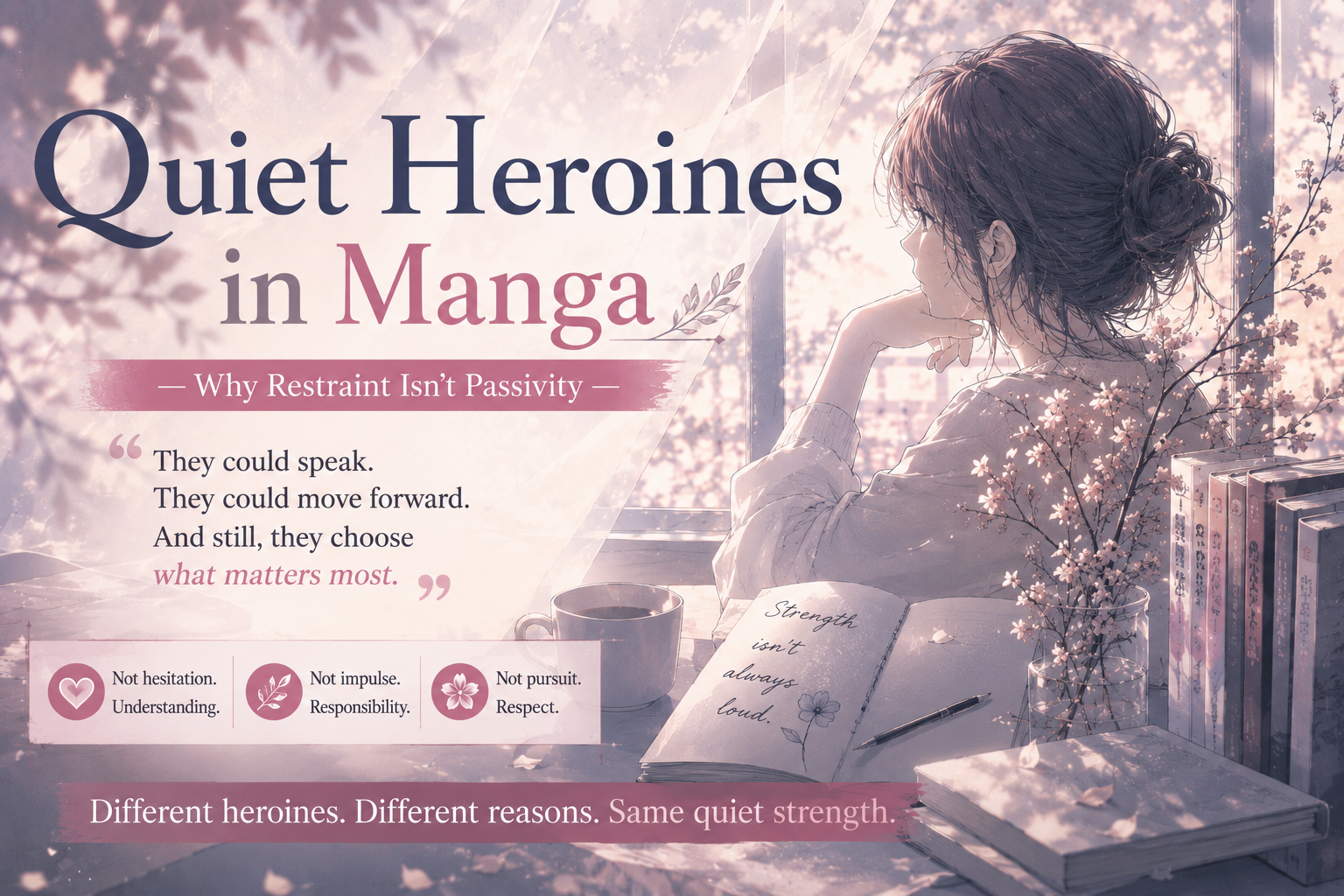
They could say how they feel. They could move forward. Sometimes, they even know it would work.
And still, they don’t act right away. They stop first, to consider what that action would actually change.
That’s the line between hesitation and restraint.
Hesitation comes from uncertainty. Restraint comes from understanding.
Why Quiet Strength Feels Powerful in Shoujo Manga
Much of Japanese shoujo romance treats emotional responsibility as central to the story.
Love, friendship, and growth are rarely shown as things you act on the instant you feel them. Timing, boundaries, and awareness of the other person’s emotional state sit at the center of the narrative instead.
As a result, a heroine’s strength isn’t measured by what she wins — it’s measured by how she carries what she feels.
That creates a very different emotional texture than stories where feeling and action arrive together.
Different Types of Quiet Heroines
What makes these characters compelling is that they don’t all hold back for the same reason.
Their restraint reflects different ideas about love, responsibility, and self-awareness.
A Sign of Affection — Yuki Itose and the Courage to Reach
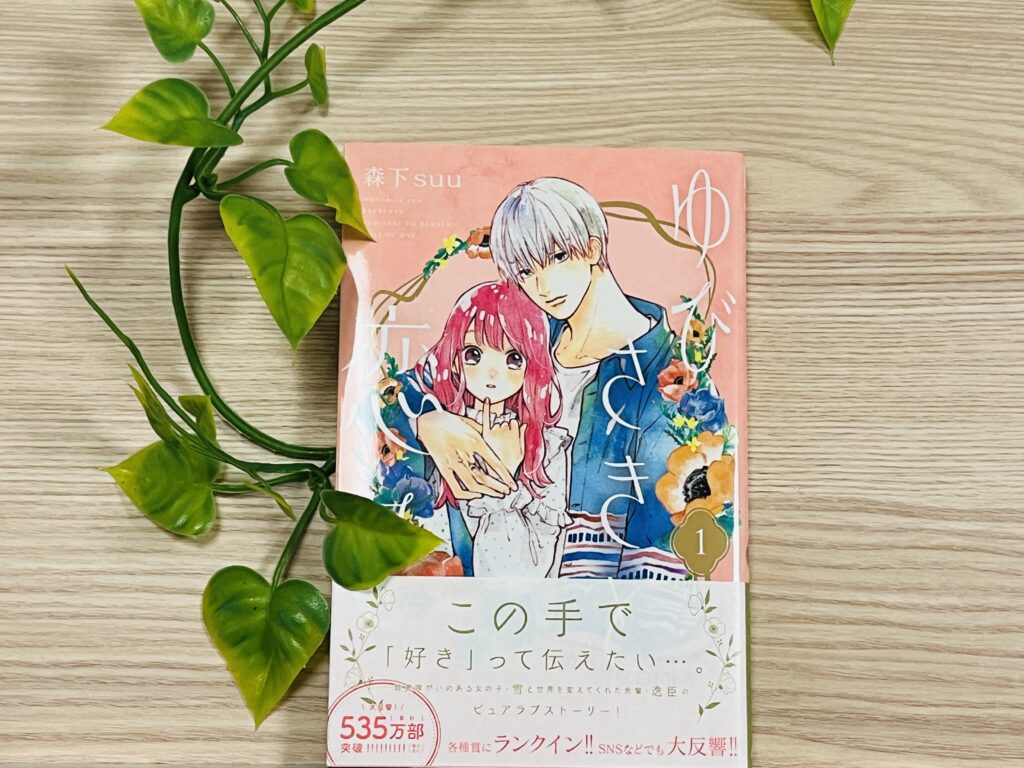
Yuki is used to being protected. But she doesn’t stay there.
She moves toward someone who doesn’t yet understand her world, instead of waiting for him to prove himself first. Her quiet strength isn’t staying somewhere safe — it’s choosing to be known.
A Sign of Affection — Emma Nakazono and Loving Without Hiding
Emma doesn’t perform composure when she’s in pain.
She keeps loving someone who has already chosen someone else, without turning that honesty into either denial or self-pity. Her restraint isn’t in what she withholds — it’s in how she carries what she feels, without asking anyone else to resolve it for her.
Yona of the Dawn — Yona and the Strength of Choosing Again
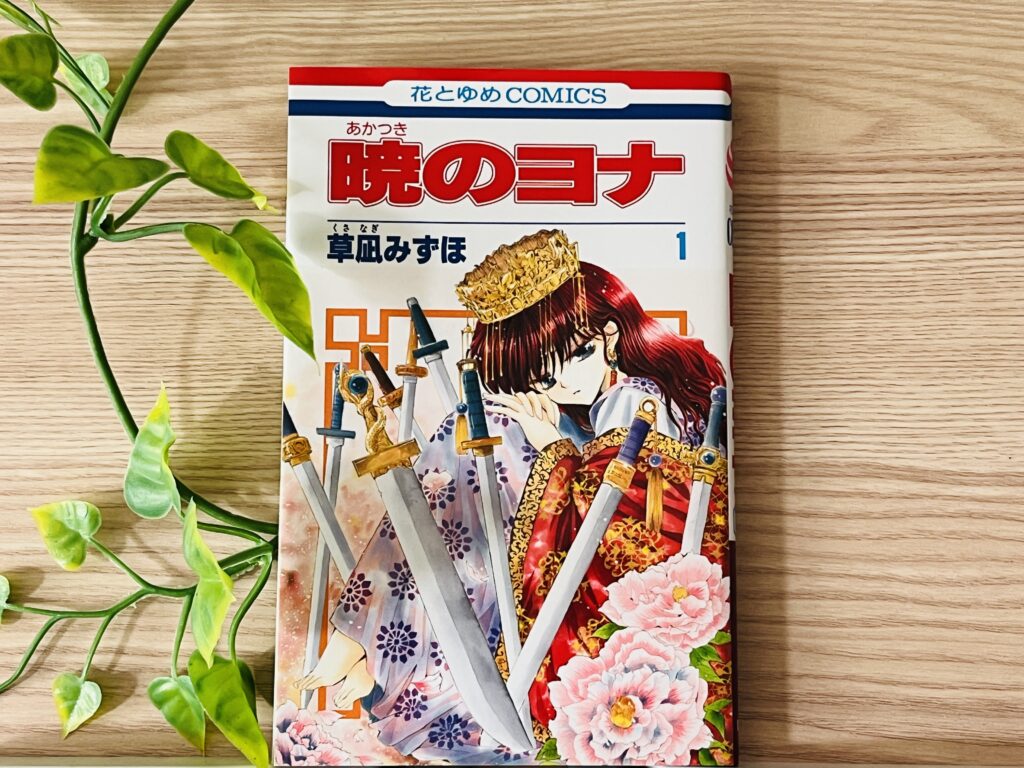
Yona doesn’t become strong in a single defining moment.
She becomes strong because she keeps deciding, over and over, who she wants to be — even when nothing guarantees the outcome will be good. Her quiet strength isn’t decisiveness. It’s refusing to stop choosing.
Kimi ni Todoke — Sawako Kuronuma and the Weight of Small Steps
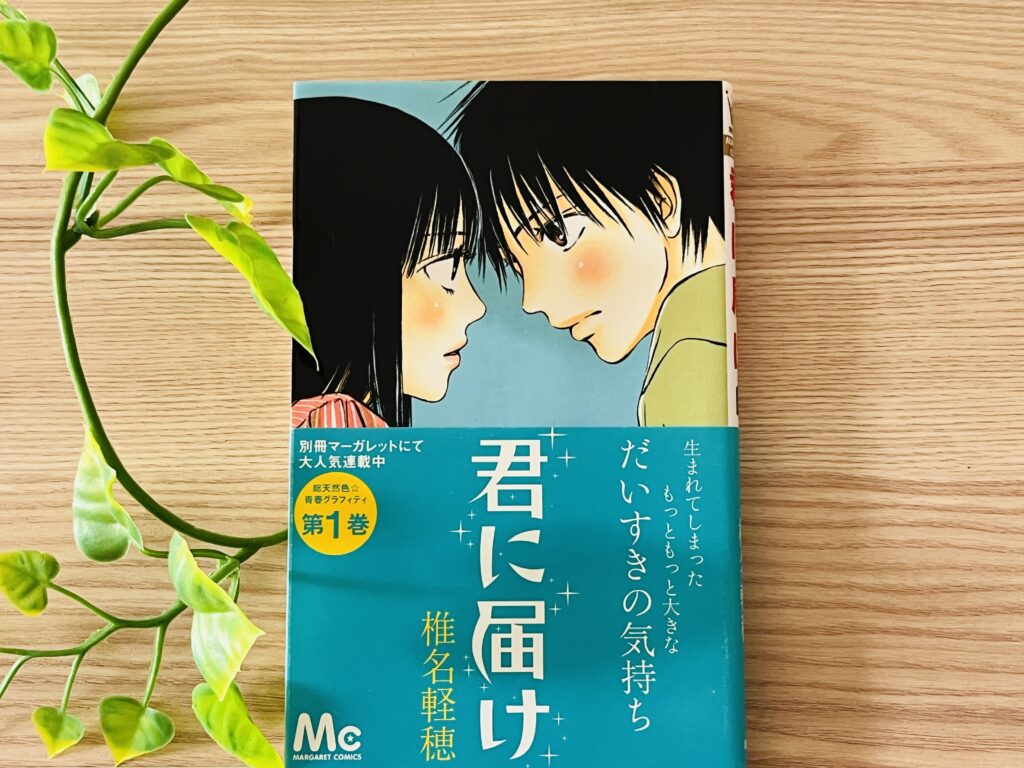
Sawako spent years believing people disliked her before they’d ever gotten the chance to know her.
Her strength isn’t a dramatic transformation — it’s choosing, again and again, to take one more small step toward other people, even while afraid. For her, restraint isn’t holding back out of fear. It’s moving forward anyway.
Why These Characters Stay With Readers
Quiet heroines stay memorable because their feelings become visible through choices, not declarations.
Readers are asked to notice:
what she chooses not to say
the moment she decides not to interrupt
how she carries feelings that can’t be resolved right away
Because these emotions are held rather than fully released, they keep creating tension inside the story.
That tension stays with readers long after the scene ends.
What This Reveals About Japanese Storytelling
These stories offer a different definition of strength.
Strength isn’t always measured by how forcefully someone asserts themselves.
Sometimes, it’s measured by:
how carefully she handles someone else’s feelings
how much responsibility she takes for her own emotions
whether she can hold desire without immediately converting it into action
That’s part of why Japanese shoujo manga can feel emotionally layered even in its quietest scenes.
Final Reflection
At first glance, quiet heroines might look like they’re doing nothing.
But look closer, and it becomes clear: they are always choosing.
When to step forward. When to wait. When to stay silent. And when to keep moving, even while still afraid.
Their restraint creates tension not because nothing is happening — but because so much is being deliberately carried.
And that quiet strength is one of the most overlooked qualities in Japanese shoujo manga.
Continue Reading
If this idea of “quiet heroines” resonated with you, its counterpart explores the same restraint from the other side:
For a heroine whose composure is also a survival strategy, see Firefly Wedding: Story, Characters, and What to Know Before the Anime.
→ Quiet Men in Manga — Why Restraint Makes Japanese Romance Feel Different
If you want to see where Yuki and Emma’s stories begin: → A Sign of Affection — A Manga About Quiet Distance, Care, and Responsibility
✅ Quiet Men in Manga:Why Quiet Men Make Japanese Romance Manga So Powerful
If this idea stayed with you, I share weekly manga moments, emotional reflections, and the quiet scenes I can’t stop thinking about on Substack.
This essay is part of a wider comparison: Why Do Manga Characters Choose Silence Over Confession?