Spoiler note: This essay discusses Yun’s introduction and the Awa arc in Yona of the Dawn. It does not discuss the final volume or the ending.
Yun has no dragon powers, yet it is difficult to imagine Yona’s journey continuing without him. He treats injuries, prepares food, manages practical needs, and tells the former princess things she needs to hear. Those contributions are easy to describe as support. But support sounds too small when it is what allows everyone else to keep going.
In Mizuho Kusanagi’s fantasy manga, Yun makes a useful question unavoidable: when we call someone strong, are we noticing only what happens during a fight?
If you are new to the story, start with the Yona of the Dawn guide. Here, the focus is the boy whose work keeps a group of remarkable fighters alive between battles.
He Meets Yona as Someone Who Needs Help
When the injured Hak and Yona reach the valley where Ik-su and Yun live, survival depends on care. Hak’s fighting ability cannot make his injuries disappear. Yun’s practical knowledge becomes essential. The official anime episode summaries also describe Yun confronting Yona about how little she knows despite having lived in the castle.
These two actions belong together. Yun helps, but he does not flatter. He can recognize that Yona is suffering without pretending that her former position gave her an understanding of everyone else’s suffering.
This gives their friendship a particular honesty. Around Yun, being a princess does not exempt Yona from learning. Nor does losing the palace make her incapable of learning. He addresses a person who can become more aware, rather than a symbol who must be protected from every uncomfortable truth.
Care Is Skilled Work, Not Background Warmth
Cooking, treatment, and preparation can look ordinary beside the Four Dragons. Yet each solves a problem that extraordinary strength leaves untouched. Winning a fight and being able to travel the following morning are different achievements.
Yun’s competence changes the rhythm of the group. Someone must notice what is running out, who is hurt, and what can realistically be done next. This work has consequences even when it does not receive a dramatic entrance or a triumphant finishing blow.
It also changes how we see the others. When formidable fighters need food, medicine, or guidance, they become people with bodies and limits. Yun does not diminish their strength. His presence makes that strength less isolated: it belongs to a shared life, sustained by different kinds of ability.

Going With Yona Does Not Erase His Bond With Ik-su
Yun initially struggles when Ik-su tells him to travel with Yona and Hak. The official account connects this response to their history: Ik-su’s kindness reached Yun when he was an impoverished child living alone.
Leaving, then, cannot be reduced to the excitement of a new adventure. It means moving away from a person who helped make trust possible. Knowing how to manage daily life does not automatically make a goodbye easy.
The journey offers a different form of growth from becoming a better fighter. Yun can carry what he learned with Ik-su into a larger world. Caring for someone and having a future beyond that relationship do not have to cancel each other out.
Awa Makes His Courage Visible
In the Awa arc, Yun and Yona enter the traffickers’ ship to help the captive girls. Their role requires them to act from inside the danger; they cannot rely on overwhelming force. The official episode summaries confirm both their infiltration and their part in carrying out the plan.
For this reading, the important point is not that Yun suddenly becomes equivalent to a dragon warrior. It is that he participates while remaining vulnerable. His knowledge and willingness to cooperate matter precisely because he has limits.
Calling him merely the group’s caretaker misses that choice. Equally, treating this dangerous mission as the moment he finally becomes valuable would overlook everything he has already done. Awa makes his courage conspicuous. It does not create his worth.
A Group Needs More Than Its Strongest Fighters
My Japanese relationship guide to Yona of the Dawn describes Yun as the person who sustains the group through daily life, treatment, and knowledge. Looking closely at him develops that idea: belonging can be built through repeated acts that make another day possible.
This is a reading of this particular story, not a claim that every Japanese narrative values care in the same way. Kouka is a fictional kingdom, and its relationships should not be treated as a direct description of modern Japan.
Yun helps turn traveling companions into people who depend on one another. Their bond has room for spectacular power, but also for food, recovery, disagreement, and learning. He belongs because he is Yun—not because he eventually acquires a power that makes his work respectable.
For the other side of that shared journey, read about the Four Dragons and their bonds with Yona. Official English editions are listed by VIZ.
Read More
→ Yona — The One Who Chose to Keep Choosing
→ Hak — Loyalty, Love, and the Choice to Stay
→ Soo-won — Leadership, Duty, and Moral Conflict
→ The Four Dragons — Turning Destiny Into Personal Loyalty
→ Quiet Men in Manga — Why Restraint Matters
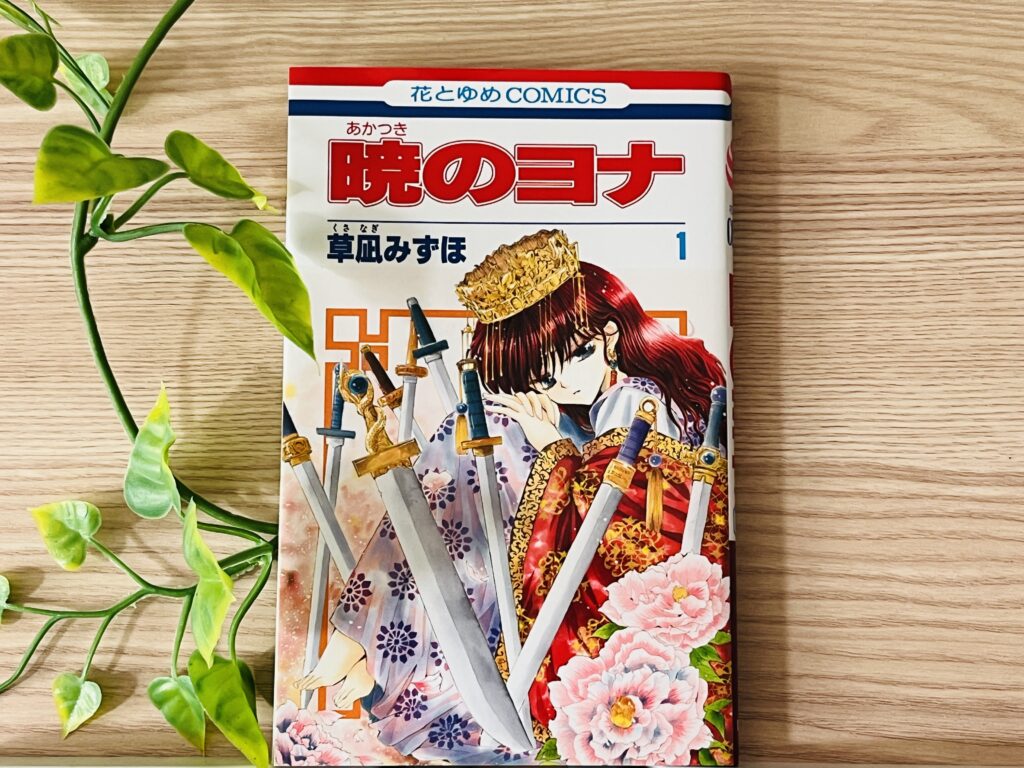
✅ Curious about this one? Check it out here! →Yona of the Dawn, Vol. 1
I also share the small manga moments that stay with me long after reading—the pauses, glances, and choices that never fully leave.
You can follow those weekly reflections on Substack.
✅ My Substack Here!