
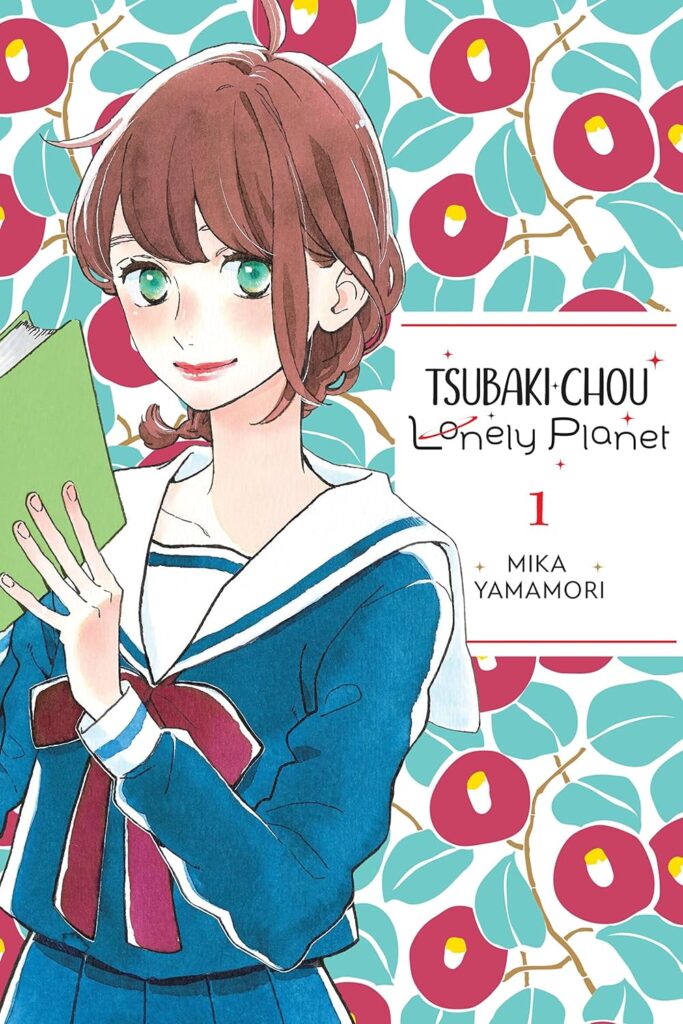
Tsubaki-chou Lonely Planet is Mika Yamamori’s shoujo romance about a high-school girl who becomes a live-in housekeeper for an older novelist. Its premise creates immediate closeness, but the emotional appeal lies in what develops slowly: familiar routines, hesitant concern, and the feeling that a house might become somewhere to belong.
I have finished all 14 Japanese volumes. This guide introduces the premise and atmosphere without revealing the ending, so you can decide whether the series suits you before opening a character analysis.
Tsubaki-chou Lonely Planet at a Glance
Japanese title: 椿町ロンリープラネット
Creator: Mika Yamamori
Japanese publisher / magazine: Shueisha / Margaret
Japanese manga: complete in 14 volumes
Official English publisher: Yen Press
Premise: a teenage housekeeper and an adult novelist sharing a home
Start reading: Volume 1.
Yen Press’s Volume 1 page provides the English premise and edition details. Shueisha’s Volume 14 page confirms the Japanese conclusion, but its synopsis contains ending spoilers.
What Is the Story About?
Fumi Oono is a second-year high-school student whose father’s debts leave her needing work. She takes a live-in housekeeping job with novelist Akatsuki Kibikino. He is difficult to approach, and their first arrangement is employment rather than an easy domestic partnership.
The story asks what changes when two people who are used to carrying things alone begin sharing ordinary days. Cooking, returning home, and noticing the other person’s mood gradually become part of the romance. The domestic setting is central to the experience, not merely a convenient reason to put the leads together.
Meet Fumi and Akatsuki
Fumi Oono is capable, practical, and accustomed to taking responsibility. Those qualities can make her seem older than she is. What interested me was the contrast between that competence and the uncertainty she still feels when affection enters her life.
Akatsuki Kibikino is an older writer who is not generous with explanations or easy reassurance. His emotional reserve makes small changes in his behavior noticeable. I enjoyed watching concern emerge through actions rather than expecting him to become effortlessly eloquent.

Why the Quiet Domestic Atmosphere Matters
The old-fashioned house and the changing seasons were among the things that stayed with me after reading. They make a useful contrast with the characters’ difficulty saying what matters. A room can feel settled while the people inside it are still uncertain about one another.
In my reading, everyday care gives the romance its rhythm. A shared meal or an expected return carries meaning because it belongs to a repeated life. The pleasure is in noticing when something that began as a task starts to feel personal.
That is an interpretation of this particular story, not a claim that Japanese people always communicate indirectly or that domestic work naturally belongs to women. Fumi’s housekeeping is her job within a specific, financially difficult situation. Keeping that context visible makes the tenderness more interesting to discuss.
Is This the Right Romance for You?
This may suit you if you like gradual emotional changes, a domestic setting, and characters who need time to understand what they feel. Quiet does not mean emotionally empty: the misunderstandings and distance between them were part of what made the small moments of connection moving for me.
It is also an age-gap romance between a high-school student and her adult employer. Housing and money are part of that unequal starting position. Readers who prefer relationships between peers may find the premise uncomfortable; it is better to know that before choosing it for its warm atmosphere alone.
Is the Manga Finished, and Can You Read It in English?
The Japanese manga is complete in 14 volumes. The English release is a separate publication schedule. As of October 19, 2026, Yen Press lists Volume 12 with a June 23, 2026 release date and Volume 13 for November 24, 2026. Volume 13 is therefore forthcoming at this check, not already released.
Begin with the official English Volume 1, which has paperback and digital options and links to retailers. Check Yen Press’s series catalogue for later releases. Do not assume that a Japanese complete-set listing contains English books.
A Gentle Starting Point for a More Complicated Romance
What I value in Tsubaki-chou Lonely Planet is the time it spends on living beside another person. Its home can look peaceful while the relationship inside it remains awkward, unequal, and full of feelings that are not yet easy to name. If that tension interests you, start with Volume 1 and discover its pace for yourself.
If you want to explore another romance by Mika Yamamori, our In the Clear Moonlit Dusk guide introduces a different setting and pair of leads.
✅ Curious about this one? Check it out here! →Tsubaki-chou Lonely Planet, Vol. 1
I also share the small manga moments that stay with me long after reading—the pauses, glances, and choices that never fully leave.
You can follow those weekly reflections on Substack.
✅ My Substack Here!