
Most romance stories treat waiting as a placeholder — something a character does before the real action starts. But across a growing number of shoujo and BL manga, waiting isn’t a delay. It’s the whole point. Masaki Takigawa in Tsurune, Soma Tezuka in And Yet, You Are So Sweet, and Kai Miura in Honey Lemon Soda all express love or commitment by refusing to rush someone toward healing, courage, or connection. Read together, these characters make an argument: that waiting, done well, is not passivity. It is one of the most demanding forms of care a person can offer.
Masaki Takigawa: The Mentor Who Waits Instead of Fixes
In Tsurune, Masaki Takigawa coaches a kyudo club that includes Minato, a student who was hurt by the very thing he once loved. The easy version of this story would have Masaki talk Minato back into archery through encouragement or discipline. Instead, Masaki does neither. He does not tell Minato to move on or try harder. He simply stays close — but never too close — and creates a space where Minato can eventually choose to return on his own. The same pattern shows up at the club’s summer camp, where Masaki never lectures the boys about friendship or tries to engineer closeness between them. He builds the conditions for connection and then lets it happen at its own pace, because he understands that trust forced from the outside doesn’t hold. As explored in Tsurune: Masaki Takigawa Explained:The Mentor Who Waited Instead of Pushed, his restraint isn’t distance from the people he cares about. It’s a form of respect for how healing actually works.
Tsurune’s Wider Lesson: Why Adults Who Wait Feel More Powerful
Masaki isn’t the only adult in Tsurune who leads by waiting. Morioka Tomio supports Masaki himself not by resolving his complicated feelings about his grandfather, but by offering a single open-ended sentence and then letting Masaki sit with it. Seiya Takehaya, meanwhile, shows the cost of this kind of quiet care — the emotional weight of constantly noticing what others need without ever demanding recognition for it. Taken together, these characters argue that real growth rarely comes from someone else supplying the right answer. It comes from people feeling safe enough to choose change for themselves, on their own timing. That is the deeper claim made in Why Adults Who Wait Feel More Powerful Than Adults Who Control: that waiting sounds passive but is often the harder, more generous choice, because it means trusting someone else’s pace over your own urgency to help.
And Yet, You Are So Sweet: Waiting Inside Friendship, Not Just Romance
And Yet, You Are So Sweet extends this theme somewhere less expected: a friendship that survives romantic loss. Soma Tezuka is not written as emotionally serene once he realizes Maaya’s feelings are moving toward his friend Sui Chigira. He gets jealous. He gets frustrated. He is, in his own words, still hurt. But instead of letting that pain curdle into cruelty or withdrawal, he keeps showing up — warning Sui when Maaya is in an uncomfortable situation, responding carefully instead of emotionally when his own jealousy flares. He never demands to be chosen, and he never punishes the people who didn’t choose him. As The Kind of Love That Waits in Friendship lays out, the payoff isn’t a reversal where Tezuka finally wins. It’s a rebuilt friendship, one honest enough to admit the rivalry existed at all. His love proves itself not by being reciprocated, but by refusing to stop caring even after losing.
Honey Lemon Soda: Kai Miura and the Courage He Refused to Hand Over
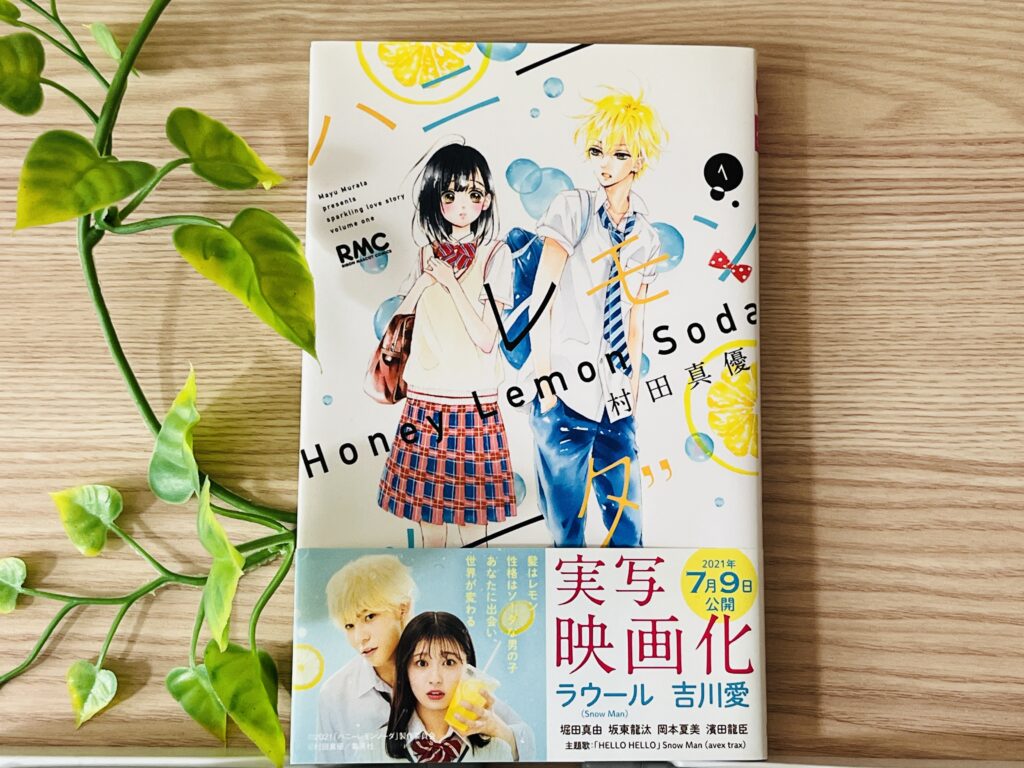
In Honey Lemon Soda, Kai Miura could easily play the role of rescuer. He’s confident, socially central, and Uka Ishimori — still recovering from being bullied — visibly needs someone in her corner. But Kai’s defining choice is that he refuses to help too much. He doesn’t speak for Uka when she struggles to speak for herself. He doesn’t force situations to become easier for her. He stays close enough to reassure her and far enough that the final step toward courage still has to be hers. As Kai Miura:The Boy Who Waited for Her to Find Her Own Courage puts it, confidence handed to someone by another person is fragile — if Uka only changes because Kai carries her forward, that change will always depend on him. So he waits, not out of indifference, but because he trusts that the courage she builds herself is the only kind that will last.
Why This Pattern Keeps Repeating
Masaki, Tezuka, and Kai are shaped by very different stories — a coming-of-age sports drama, a friendship-and-romance ensemble, a slow-burn school romance — yet they converge on the same instinct: love that pushes, fixes, or controls is treated with suspicion, while love that waits is treated as strength. This isn’t the same as emotional distance for its own sake, and it isn’t indecision dressed up as virtue. In each case, the character’s restraint is a deliberate act, chosen precisely because they understand how fragile change is when it’s forced from outside. Waiting, in these stories, is not the absence of love. It’s love with enough patience to let another person arrive at their own choice — and it’s worth noticing, because it quietly argues against a much louder cultural instinct that equates caring with taking action right now.
Go Deeper
If one of these resonated, here’s where to read further:
- Tsurune: Masaki Takigawa Explained:The Mentor Who Waited Instead of Pushed
- Why Adults Who Wait Feel More Powerful Than Adults Who Control
- The Kind of Love That Waits in Friendship
- Kai Miura:The Boy Who Waited for Her to Find Her Own Courage
Related read: Why Do Manga Characters Choose Silence Over Confession? — a companion piece on how manga characters handle unspoken feelings.