
Spoiler note: This essay discusses events from the Akane-banashi anime, including the expulsion of Akane’s father.
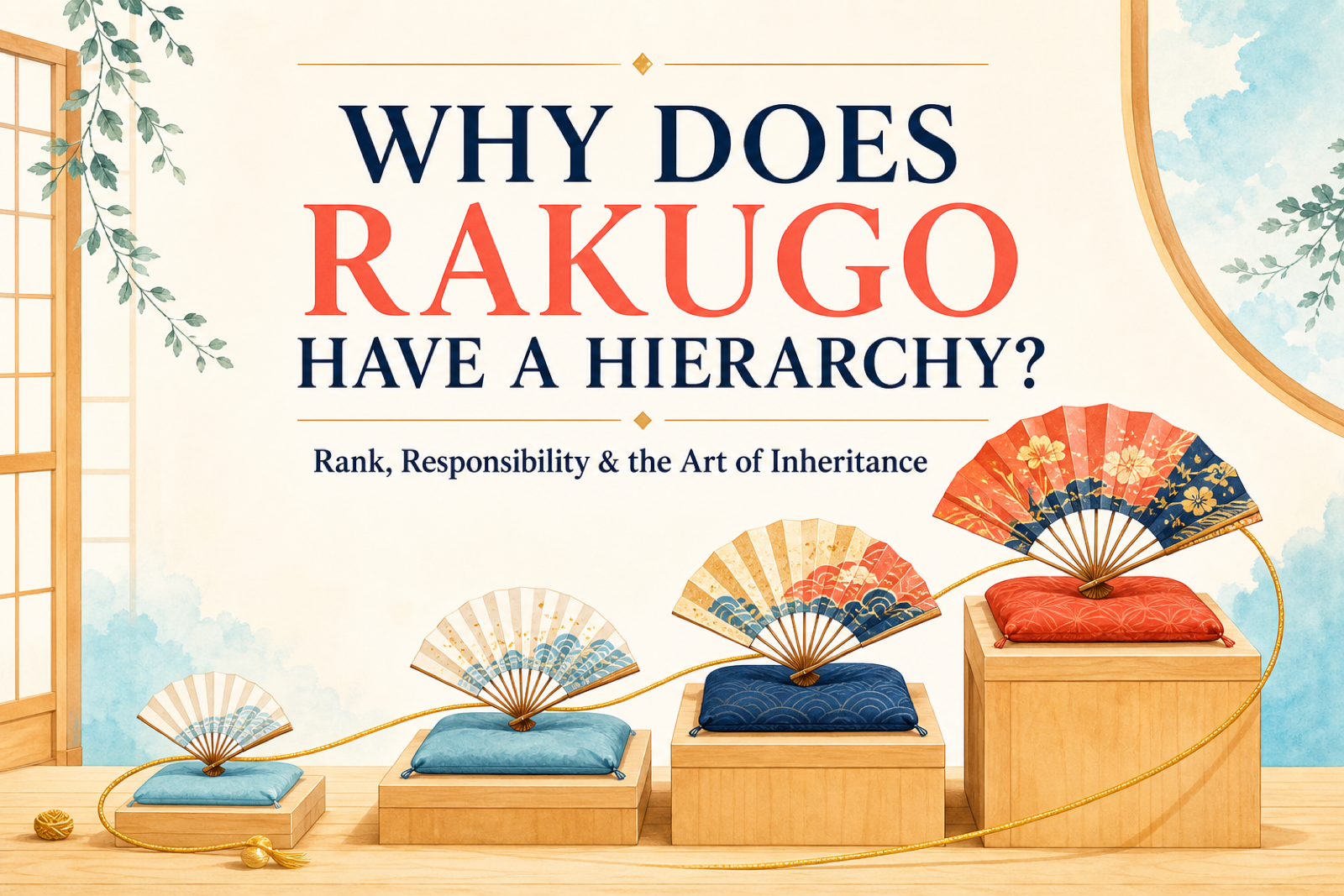
One of the most striking things about Akane-banashi is not only the rakugo itself, but the strong hierarchy surrounding it.
There are masters, senior disciples, and those who entered later. Tokyo rakugo also has visible ranks: apprentice, zenza, futatsume, and shin’uchi. Position affects daily work, clothing, stage order, freedom, and responsibility.
From a modern perspective, this world can feel rigid and old-fashioned. Yet Akane-banashi does not present hierarchy as simply good or bad. It shows both the structure that allows an invisible art to pass from one generation to the next and the danger of giving great authority to those at the top.
Does hierarchy preserve rakugo—or imprison it?
In Rakugo, Growth Becomes a Visible Rank
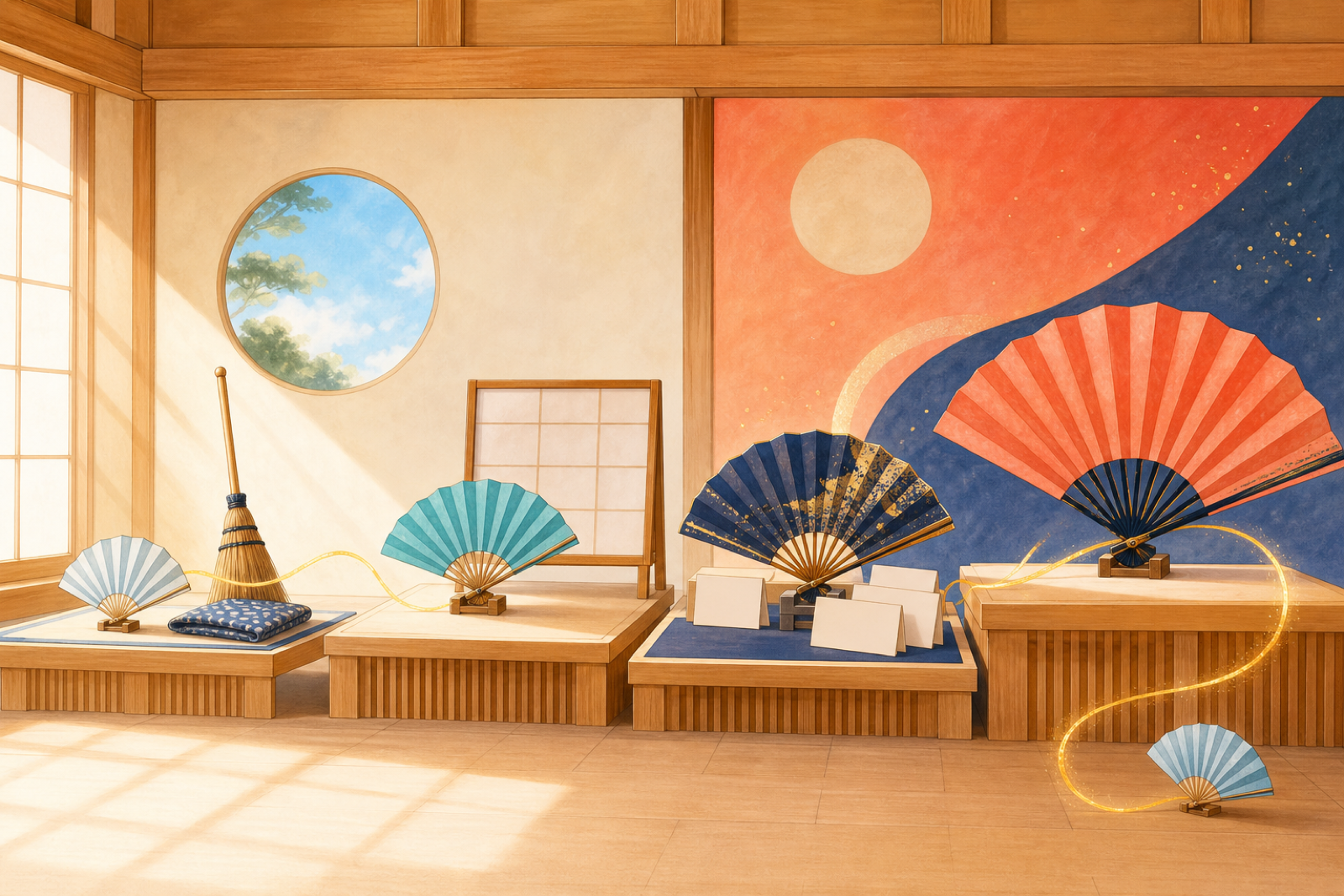
In the traditional Tokyo system, a performer usually progresses through apprentice training, zenza, futatsume, and shin’uchi. These are not decorative titles. Each stage changes what the performer is expected and permitted to do.
The Rakugo Arts Association’s guide explains that zenza performers work in the theater and backstage while training, typically progressing to futatsume after about four years. Futatsume are freed from much of that service but must find more of their own work. Shin’uchi may take the final position on a yose program and can accept disciples.
Moving upward is not simply becoming more important. The performer moves from a protected stage of learning toward professional independence, and eventually toward responsibility for the future of the art.
Are a Zenza’s Chores Really Separate From the Art?
When Akane joins a school, she is not immediately given only performance lessons. She is asked to work, observe, and respond to what the people around her need.
It is easy to see this as an old system using junior members for chores. Tradition should never be allowed to excuse mistreatment. Yet backstage work can also teach something that isolated practice cannot: how a yose functions as a whole.
A zenza learns what happens before the curtain, how performers and staff move, how one act hands the room to the next, and how the audience’s energy changes across a program.
A rakugoka performs alone, but a yose never runs through one person alone. Early service can teach the disciple to see the larger world supporting the cushion on which she sits.
Futatsume Brings Freedom—and Insecurity
I once assumed that rising beyond the lowest rank simply made life easier. Futatsume reveals why that is not true.
A futatsume is released from much of the master’s household service and routine backstage duty. The performer may wear formal crested kimono and a haori jacket, and can have an individual entrance tune. Outwardly, this looks like becoming a full professional.
But freedom removes a structure that previously guaranteed daily work. The performer must seek engagements, create study opportunities, expand a repertoire, and keep improving without being told what to do next. The Cultural Digital Library notes that performance opportunities and income may even decrease at this stage.
Zenza life provides duties. Futatsume life provides choices. What a performer does with those choices begins to separate one artistic future from another.
Shin’uchi Is Not the End of Training
The word shin’uchi can sound like the title of a completed master. In practice, promotion does not mean the artist has finished learning.
A shin’uchi is qualified to serve as the final performer—the tori—on a yose program. A shin’uchi may also take disciples. The performer is now trusted not only to satisfy the audience and close the program, but to pass acquired knowledge forward.
The Cultural Digital Library describes shin’uchi today as the starting point of life as a fully recognized rakugoka, not its conclusion.
The higher the rank, the less a performer is supported by assigned duties. In return, responsibility expands—to the audience, the yose, the artistic name, and the disciples who may follow.
Hierarchy Creates a Duty to Teach
A senior disciple has already walked the road a junior is beginning. That difference in experience creates authority, but it also creates an obligation.
Senior disciples teach work routines, correct mistakes, and spend time helping the people who entered later. As explored in my essay on Akane and her senior disciples, their guidance is central to her growth.
Rank makes it clear who is responsible for guiding whom. It prevents accumulated knowledge from remaining private. Voice and gesture can be demonstrated, but much of rakugo’s knowledge is harder to record: how to read a room, behave backstage, repair a failing performance, or recognize when a story has not reached its listeners.
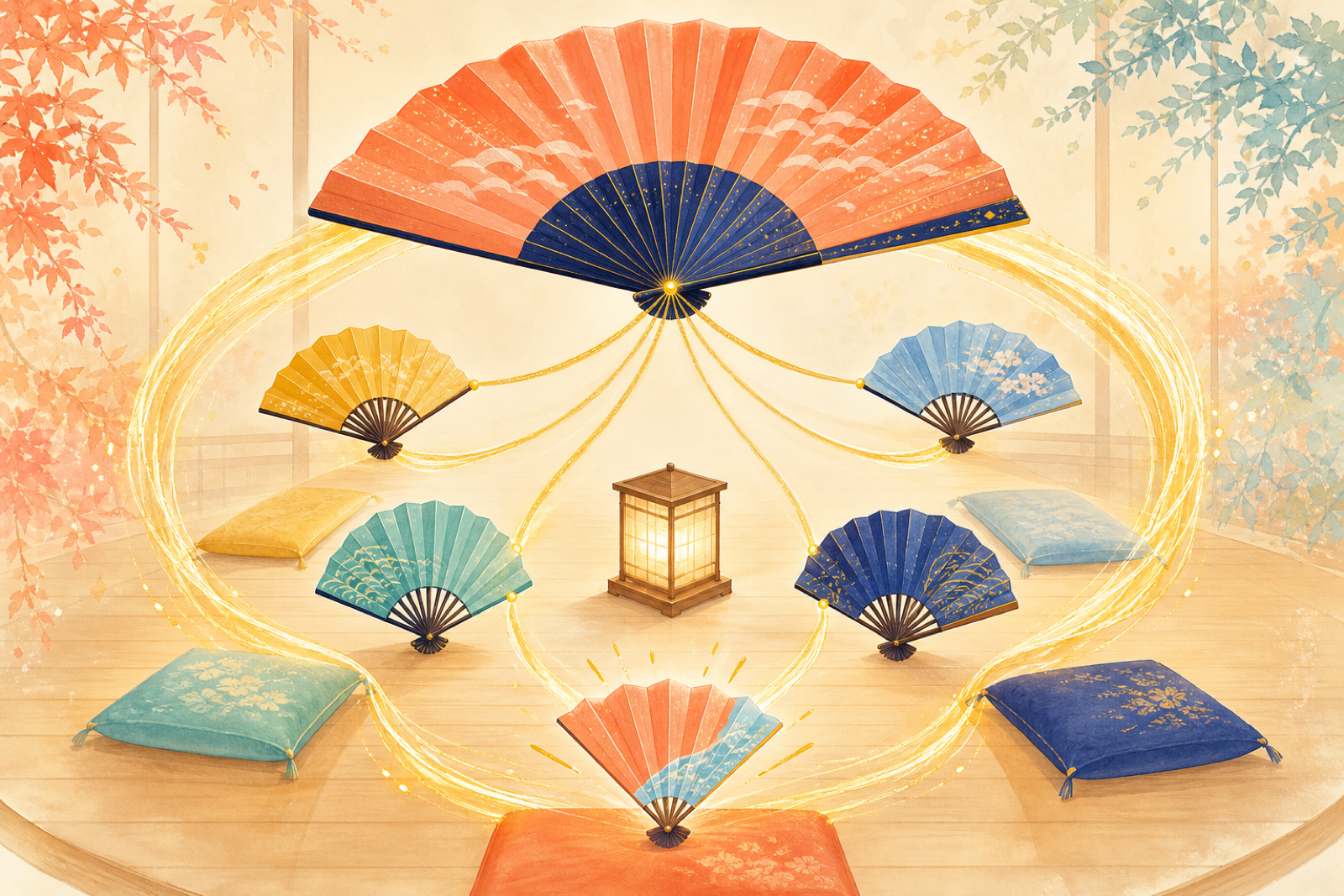
The vertical line of the school becomes a road along which tacit knowledge travels.
Tradition Does Not Guarantee Justice
A structure can have meaning without making every action inside it right.
Akane-banashi begins with the pain created when authority at the top changes the life of someone below. Akane’s father is expelled during the shin’uchi promotion examination, cutting off the path to which he had devoted himself and wounding his family.
Even if a judgment is made in the name of protecting the art, its human consequences do not disappear. Words such as tradition, standards, and prestige can make authority difficult to question.
“This is how it has always been done” can preserve valuable knowledge. It can also silence pain. When hierarchy serves only to protect those above, it stops being a path of inheritance and becomes a wall.
What makes Akane-banashi compelling is that it neither romanticizes hierarchy nor dismisses it as a useless relic. It lets us see the discipline that protects an art and the danger of discipline becoming power without accountability.
Akane Learns Within the Hierarchy Without Surrendering Her Mind
Akane respects her master and senior disciples. She accepts instruction and recognizes that experience matters. But she does not stop thinking.
Why is this training necessary? Why did someone choose those words? Why did one performance succeed while hers still lacked something?
She does not merely memorize the answer given to her. She tries to understand its purpose and transform it into her own art.
Respecting tradition does not require abandoning judgment. Akane can receive a lesson while asking what it means. That is why she is becoming more than an obedient disciple: she is becoming an artist.
Hierarchy Must Serve the Art
Rakugo hierarchy can look harsh and difficult from the outside. Some parts deserve to be questioned as society changes. Yet Akane-banashi helped me see why the structure has endured.
It allows embodied knowledge to pass from person to person. It teaches a performer to see the work surrounding her own stage. It makes freedom something earned alongside responsibility. And once a disciple has grown, it asks that person to raise the next one.
Hierarchy should not exist to make senior people look important. It should exist to carry the art into the future.
The moment rank becomes more important than rakugo—or authority more important than the people entrusted to it—the order has been reversed.
The art does not exist for the hierarchy. The hierarchy exists for the art.
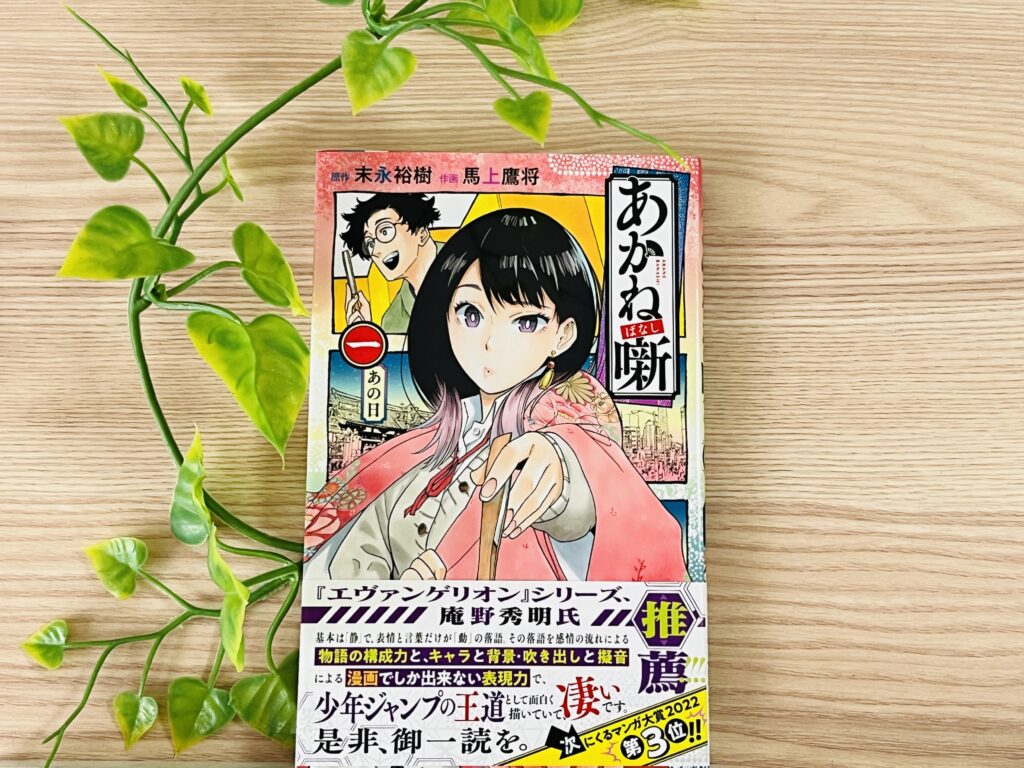
✅ Curious about this one? Check it out here! →Akane-banashi, Vol. 1
Begin with the Akane-banashi guide, then read why rakugo masters take apprentices to explore the responsibility behind passing an art forward.