
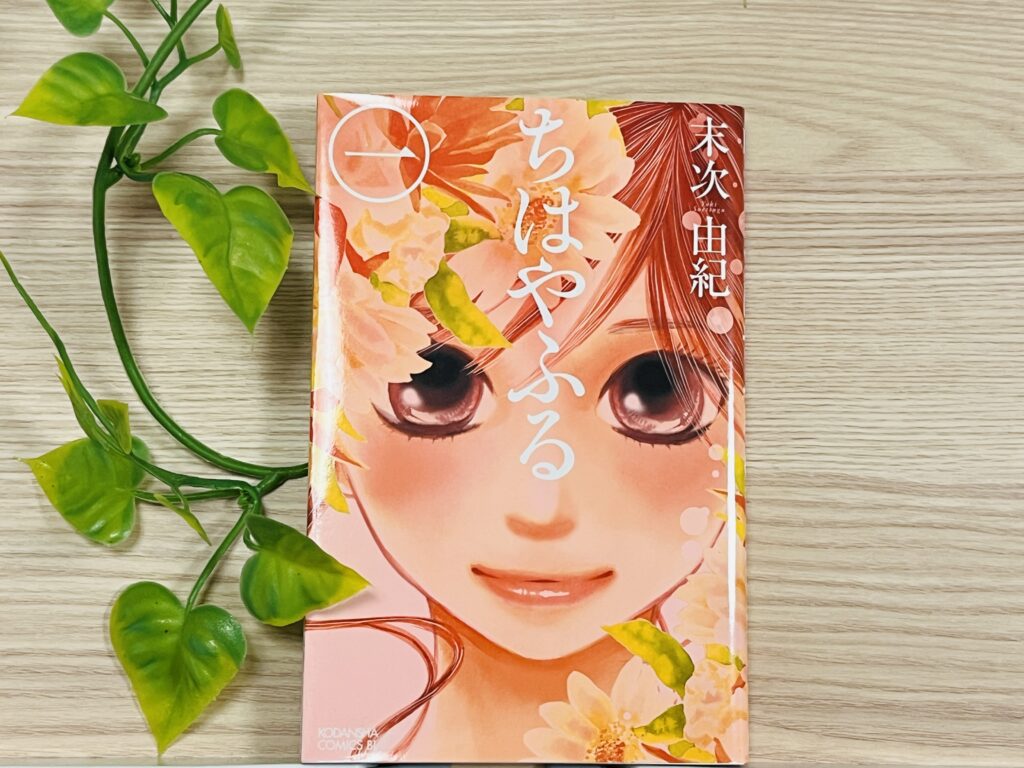
⚠️ This article contains full spoilers for the ending of the Chihayafuru manga, including content that hasn’t been covered in the anime. If you haven’t finished the series, read with caution.
Fifteen years.
That’s how long this story carried two questions.
Would Chihaya reach the rank of Queen?
Would Arata reach the rank of Meijin?
And underneath that, quieter and longer-running than either—
who would end up standing beside Chihaya, in the end?
The final volume answers both of these questions almost at the same moment, and in a strangely matching shape.
Two People, Standing in the Same Place
The Meijin match. The Queen match.
Arata against Suo Hisashi. Chihaya against Wakamiya Shinobu.
Both matches arrive at the exact same place, like mirror images of each other.
Two wins each. Fifth match.
One card left on each side.
One on her side. One on the opponent’s.
Whichever card gets read decides everything.
In karuta, this is called a “fate match.”
Chihaya pulls that moment toward her with a card she’d carried with her the whole way—tachi.
It would be easy to call it luck.
But if you’ve followed this story this far, you already know.
Luck alone doesn’t get you here.
And inside that same match, something else quietly resolved.
Shinobu—who had clung to the word “alone” for years—finally recognizes what she’d actually been feeling toward Chihaya all along.
Gratitude.
Rivalry.
And someone she could finally call a friend.
She returns the sash she’d borrowed from Chihaya for so long.
Thank you, she says.
Arata, meanwhile, finally finds his own way of fighting.
He pushes forward against Suo, again and again, until the title of Meijin is his.
The Words He Said, Through Tears
Right after the win.
While everyone else rushes toward the cameras and microphones, Arata says this:
“My grandpa and my hometown held me close.”
Crying as he said it.
The weight of that sentence might only land for someone who’s been following Arata this whole time.
For years, he’d carried the thought that he might have been the reason he wasn’t there when his grandfather died.
A guilt no one else could prove, and no one else could carry for him.
That weight finally lightens, just a little, with this one sentence.
For Arata, becoming Meijin had to come before any answer about love.
It was a reconciliation with himself, first.
A Feeling Left Without an Answer
Back in high school, Arata had once said this to Chihaya:
“I like you, Chihaya.”
A long time passed after that.
And even by the final chapter, no clear answer ever comes back to him.
Arata’s feelings end exactly where they started—unanswered, held in place.
How you feel about that probably depends on who you were rooting for.
One Sentence Made Her Run
With Taichi, something actually moves.
Chihaya finds out he never even applied to Tokyo University, and it shakes her.
She doesn’t know why. She starts asking people, one after another, trying to find out.
And then Komano says it:
“If you two were just friends, I wouldn’t be telling you this.”
That single sentence is what finally makes her see what’s already inside her.
And she runs.
Straight to the clubroom, where Taichi is waiting.
“I like you.”
Taichi blinks. “…Now? Of all times?”
But underneath the surprise, he can’t hide how happy he is.
Years of holding something back, finally answered.
Taichi turns to Arata and makes a new promise:
“Next year, I’m coming here to beat you.”
And at the station, Chihaya is finally seen—really seen—by her older sister, Chitose.
She cries.
Each of them, in their own way, finally steps forward from who they used to be.
Why This Ending Still Stays With People
People still disagree about this ending. Strongly.
And honestly, that makes sense.
Taichi understood that confessing would change everything—so he stayed close, and stayed quiet, for years.
Arata feared that an answer might make his feelings meaningless—so he avoided asking, for years.
Chihaya simply didn’t notice what was inside her own heart, for years.
In the final chapter, only one of these three actually moves—the one who never chose to wait.
Or, more precisely: it wasn’t Taichi who moved first.
It was Chihaya, finally running toward something on her own, because of one sentence from Komano.
If you were rooting for Arata, this can feel like years of feeling and one real confession never being met head-on.
If you were rooting for Taichi, this can feel like someone who held everything in finally, finally getting to put it down.
Neither reaction is wrong.
Because this story never set out to be the kind where confessing simply gets you an answer.
All three of them held back in their own way. All three of them moved in their own way.
Which is exactly why the ending can’t be summed up in just one feeling either.
Related Reading
To go deeper into each side of this ending:
✅ Character Essay: Taichi Mashima — The Person Who Stayed Beside a Dream That Was Never His
✅ Character Essay: Arata Wataya — The Person Who Never Asked, Because He Was Afraid of the Answer
✅ Character Essay: Chihaya Ayase — The Person Who Never Noticed, Because Her Mind Was Always Somewhere Else
✅ Chihayafuru Explained: Story, Characters & Why the Ending Still Divides Fans
Final Reflection
Not every story ends with one single feeling.
Taichi got the answer he’d waited years for.
Arata never got his answer, but he made peace with himself anyway.
Chihaya finally put a name to something she’d been carrying without knowing it.
All three of them moved forward, just a little, from something they’d been holding for a long time.
So maybe the real question this ending leaves us with isn’t:
“Who was right?”
Maybe it’s:
“Which one of these three held something back in a way that I recognize in myself?”
I also share the small manga moments that stay with me long after reading—the pauses, glances, and choices that never fully leave.
You can follow those weekly reflections on Substack.
✅ My Substack Here!