

Light spoiler note: This essay discusses the long-term development of Sawako, Chizuru, and Ayane’s friendship. It does not reveal the manga’s ending, but it refers to character growth across the series.
The Short Answer
Friendship in Kimi ni Todoke is not a detour on Sawako’s way to romance. Meeting Chizuru Yoshida and Ayane Yano does not make Sawako “worthy” of being loved. It gives her something different: the confidence to take part in relationships, the courage to speak before a misunderstanding hardens, and a place where she no longer has to make herself smaller.
Chizuru and Ayane are not helpers who exist only to rescue the heroine, either. Each has her own fears, choices, and growth. The three girls take turns supporting and being supported. Their friendship stands beside the romance as one of the central relationships of the story.
If you are new to the series, begin with my complete guide to Kimi ni Todoke, including its story, manga, anime, and official English release.
Friendship Is Not Preparation for Romance
In many romance stories, the heroine’s friends listen to her worries, explain what she has not yet realized, and encourage her to approach the person she likes. Chizuru and Ayane sometimes do those things. But reducing them to Sawako’s romantic support team misses what their relationship changes.
Sawako has become accustomed to being feared and misunderstood. She often withdraws before anyone can reject her. Instead of asking what she wants, she concentrates on causing as little trouble as possible. Even when she longs to be close to someone, she may deny that longing before the other person has a chance to answer it.
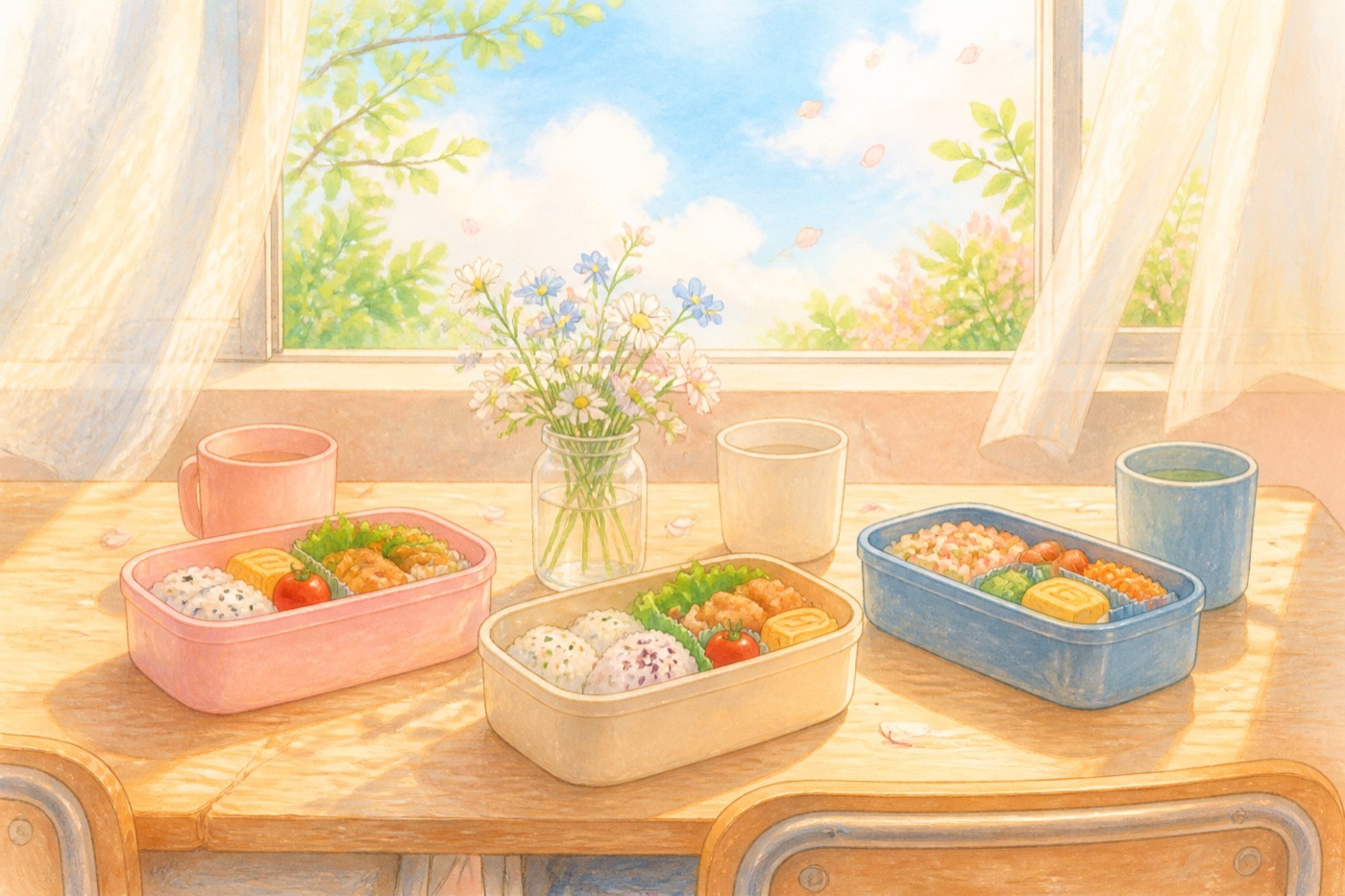
What she learns from friendship is not how to become a desirable girlfriend. She learns how to eat lunch with someone, call a friend by name, explain herself when a rumor distorts the truth, and resist the impulse to disappear “for their sake.” These ordinary acts teach her that she is allowed to participate in a relationship rather than merely observe it from a safe distance.
Sawako Gains a Place to Belong, Not Permission to Be Loved
Sawako does not become valuable because Chizuru and Ayane accept her. Her thoughtfulness, patience, and sincerity were present from the beginning. What changes is her ability to use those qualities within a mutual relationship.
At first, even Sawako’s kindness can contain an element of self-protection. Being useful feels safer than expressing a need. Helping quietly allows her to contribute without asking anyone to choose her. Friendship gradually teaches her that she is not simply the person who serves, apologizes, or steps aside. She is one of the people whose feelings shape the relationship.
That is why moments in which Sawako admits that she is hurt, follows someone to correct a misunderstanding, or says that she does not want to lose a bond matter so much. They are not signs that friendship has prepared her to “win” Kazehaya. They show that she is learning to remain present while having desires of her own.
Romance grows from this new capacity for connection, but it does not replace friendship or complete it. Chizuru and Ayane are not temporary companions waiting for the male lead to take over. They give Sawako a different kind of belonging—one that continues to matter on its own terms.
Chizuru Is More Than the Strong Friend Who Protects Sawako
Chizuru is emotionally direct and willing to become angry for someone she loves. When Sawako is treated unfairly, Chizuru does not reduce the harm to a harmless misunderstanding. Her anger tells Sawako something she has rarely believed about herself: you are not a person others are allowed to hurt without consequence.
Yet Chizuru is not always fearless, perceptive, or correct. She can resist realities that would change a familiar relationship. Although her emotions are visible, understanding what those emotions require of her can take time.
Her strength does not come from avoiding messy feelings. It comes from eventually accepting them as her own, even when she cannot arrange them into a graceful answer. Sawako’s sincerity also asks Chizuru to look more honestly at what she has been avoiding.
This keeps their friendship from becoming a one-way rescue. Chizuru may protect Sawako in one moment, but Sawako’s determination can steady Chizuru in another. The roles of savior and saved never belong permanently to one girl.
Ayane Also Needs to Be Seen
Ayane notices shifts in mood and relationships quickly. She often understands what Sawako or Chizuru is feeling before they can name it themselves. That social intelligence can make her appear to be the most mature member of the trio.
But seeing other people clearly is not the same as knowing how to care for yourself. Ayane can read what a situation requires, choose the appropriate words, and maintain enough distance to avoid being exposed. Her composure is both a skill and a form of protection.
Chizuru and Sawako do not only use Ayane as the friend who always understands. They remain beside her when she cannot easily explain herself. They do not force a confession or demand that she become vulnerable on schedule.
That matters because Ayane’s story is not simply about guiding a more innocent heroine. She, too, needs relationships in which she can be known rather than merely useful. Through this friendship, she begins to experience the possibility that the observer can also be observed with care.
Everyday Repetition Creates Intimacy
The girls’ friendship is not built only through dramatic declarations. It grows through repeated days: sharing a classroom, eating together, walking home, noticing a change in someone’s expression, and refusing to interpret every silence as rejection.
This is one of the quiet gestures that Japanese shoujo manga can make especially meaningful. Closeness may be shown through the willingness to occupy the same space again and again. A relationship becomes visible in routine before either person has found a perfect sentence to define it.
That does not mean silence is always virtuous. Kimi ni Todoke repeatedly shows that feelings can fail to reach another person unless someone speaks. Still, there is value in staying until those words become possible. A friend does not have to fill every pause, treat hesitation as hostility, or make vulnerability a test that must be passed immediately.
For a broader look at this kind of restrained emotional expression, see Quiet Heroines in Manga: Why Restraint Isn’t Passivity.
Getting Angry for Someone Can Be an Act of Care
Sawako often tries to explain away behavior that hurts her. She imagines that the other person must have a reason and assumes that enduring the pain is kinder than objecting. This is compassion, but it also reveals how unfamiliar she is with protecting herself.
Chizuru and Ayane’s anger therefore carries unusual weight. It is not possessiveness—“you hurt our friend, who belongs to us.” It is a refusal to treat Sawako’s pain as insignificant. Before Sawako can defend her own dignity, her friends reflect it back to her.
As the friendship deepens, Sawako acts for them as well. Her gentleness does not disappear; it gains direction. When someone important to her is hurting, she can step forward rather than automatically fading into the background.
Anger in these moments is not the opposite of kindness. It is a way of saying that unfair treatment should not become normal simply because the person receiving it is patient.
Waiting Is Not the Same as Leaving Someone Alone
The friendship among Sawako, Chizuru, and Ayane includes periods when an answer cannot be produced immediately. Rather than handing one another the “correct” feeling, they sometimes wait for a friend to catch up with her own heart.
But waiting is not indifference. It means respecting someone’s pace while remaining close enough to respond. It allows silence without turning silence into abandonment.
Chizuru and Ayane do not hurry Sawako merely because her uncertainty inconveniences them. At the same time, they do not quietly approve when she tries to erase herself from a relationship. Sawako likewise learns not to impose the help she thinks another person should want, while still communicating that she has not gone away.
This balance—between giving space and refusing to disappear—is one reason the friendship feels so gentle without becoming passive.
They Change One Another Without Completing One Another
Sawako, Chizuru, and Ayane all change through their friendship. No single girl, however, leads the other two toward a perfectly healed life. Friendship does not remove every fear, resolve every contradiction, or make their futures identical.
What it can do is create a place where each person has more room to choose. They can stay near someone while she reaches her own conclusion. They can respect a decision that is not the one they would have made. They can allow the responsibility for caring to move among them rather than fixing one person forever as the helper.
Sawako is supported by Chizuru and Ayane, but her presence also changes the way they understand their own courage, fear, and tenderness. Within the friendship, the distinction between protagonist and supporting character becomes less useful. Each girl’s inner life matters to the other two.
Friendship Is Not a Side Story
Kimi ni Todoke contains a carefully developed romance, and that romance deserves its place at the heart of the series. But Sawako’s life cannot be explained by romance alone.
The experience of meeting Chizuru and Ayane, sharing ordinary days, misunderstanding one another, becoming angry, waiting, and choosing the relationship again gives Sawako something that her love story cannot replace. Sawako becomes just as necessary to their lives.
If romance is often imagined as choosing one person as special, friendship here makes another promise: I can care about the life you choose without demanding that it be arranged around me.
The friendship among these three girls is moving not because they always agree or feel the same way. It matters because they have different temperaments, different vulnerabilities, and different futures—and still keep making room for one another.
Friendship in Kimi ni Todoke is not a waiting room where Sawako remains until romance begins. It is one of the central stories through which Sawako, Chizuru, and Ayane learn to build places where they can belong.