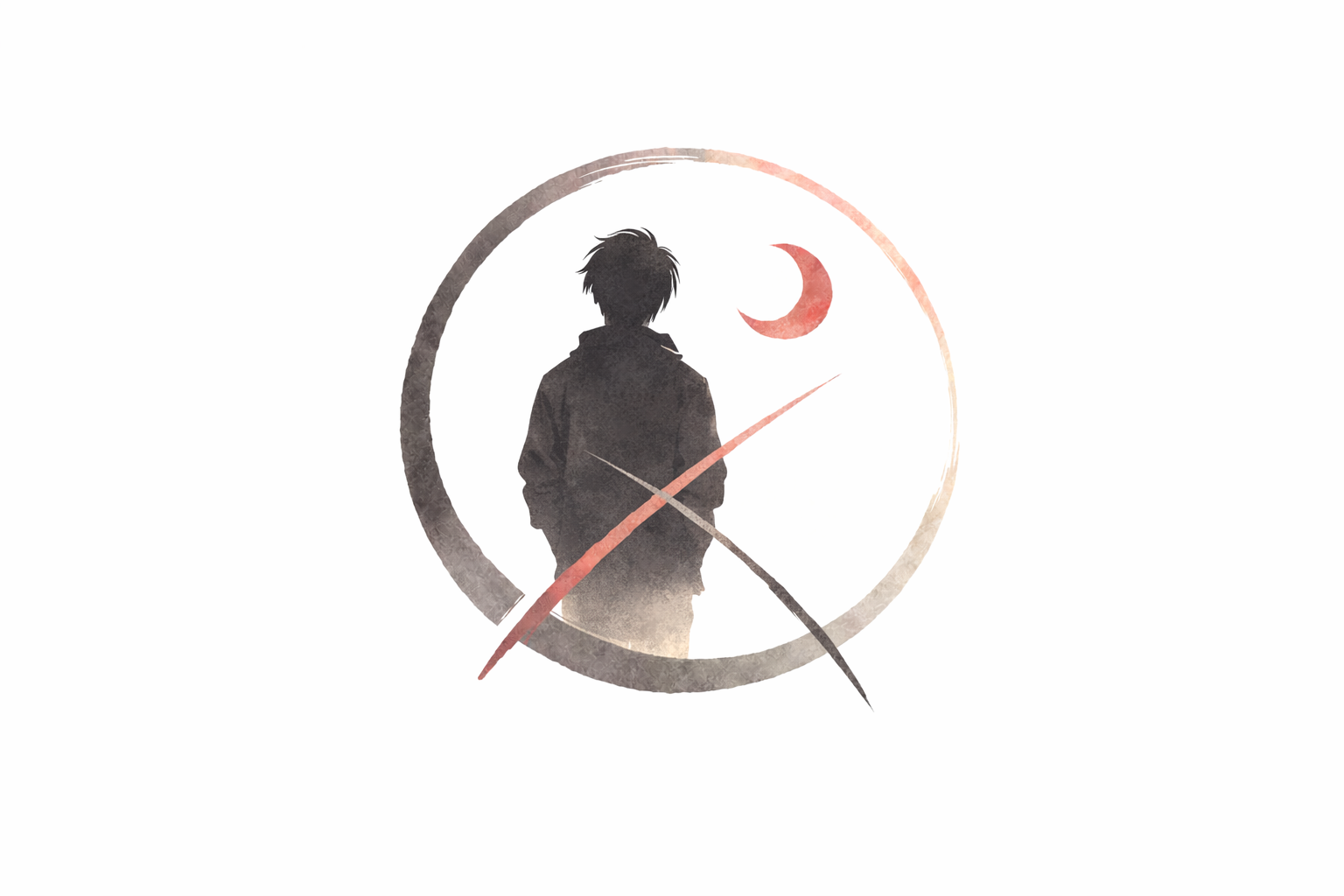
When stepping back is mistaken for indifference
When someone creates distance, it is often read in the simplest way possible.
They became cold.
They lost interest.
They chose not to care.
Distance is quickly translated into absence.
But this interpretation ignores a quieter possibility:
that distance can be the result of taking responsibility seriously.
Not every step back is an escape.
Some are decisions made with full awareness of what stepping forward would cost.
Responsibility changes how closeness feels
Responsibility begins the moment we realize that our words or actions could alter someone else’s life.
A single comment can narrow options.
A casual reassurance can become a direction.
A well-intended gesture can carry more weight than it should.
Once a person recognizes this influence, closeness is no longer simple.
Encouragement becomes complicated.
Promises feel dangerous.
Even saying “it will be okay” requires caution.
From the outside, this restraint looks like distance.
From the inside, it is hesitation shaped by care.
Why distance is so easily misunderstood
Distance leaves no visible explanation.
Actions are observable.
Words can be quoted.
But the reason someone steps back is invisible unless it is articulated.
And most people do not explain why they withdraw.
So observers fill the gap with assumptions:
- They stopped caring.
- They were never serious.
- They chose comfort over involvement.
The responsibility that motivated the distance remains unseen.
Distance is not misunderstood because it lacks meaning,
but because its meaning is rarely displayed.
Stepping back is not the same as abandoning someone
It is important to distinguish distance from abandonment.
Abandonment is disengagement.
It is the loss of concern for another person’s choices or consequences.
Distance, however, can be an act of respect.
When stepping forward would distort someone else’s decisions,
choosing not to intervene can preserve their agency.
This choice is not neutral.
It requires accepting that one will be misread.
But misinterpretation can be easier to carry
than the responsibility of shaping a future that is not yours to decide.
Distance as a shift in responsibility
When people step back, they are not necessarily refusing responsibility.
Often, they are redefining it.
Instead of leading, they choose to leave space.
Instead of offering answers, they refuse to take them away.
Instead of guiding outcomes, they protect the possibility of choice.
This form of responsibility is subtle.
It does not announce itself.
And it does not provide proof of sincerity.
But it is responsibility nonetheless.
The cost of choosing distance
Choosing distance means accepting how it will look.
It may be interpreted as coldness.
It may be judged as avoidance.
It may be labeled as weakness.
Those who choose distance do so knowing this.
They prioritize how they should engage
over how they will be perceived.
This decision requires a quiet strength,
one that does not rely on recognition or approval.
What remains within distance
Distance does not mean disappearance.
It is possible to step back without turning away.
To remain attentive without interfering.
To care without controlling.
Within distance, there often remains an unspoken responsibility—
one that is carried privately and never explained.
What appears empty from the outside
may be full of restraint, doubt, and deliberate choice.
Responsibility is not always visible
We tend to trust visible forms of care:
- immediate action,
- reassuring words,
- protective gestures.
But responsibility does not always take these forms.
Sometimes it looks like silence.
Sometimes it looks like waiting.
Sometimes it looks like maintaining distance.
Not because someone cares less,
but because they care enough to hesitate.
Closing thought
Before judging someone who stepped back,
it may be worth considering what they were trying not to take.
Responsibility is not always expressed through closeness.
At times, it lives precisely in the choice to remain apart.
Distance can be absence.
But it can also be restraint.
And restraint, when chosen with awareness,
is one of the quietest forms of responsibility.
Related Essays: